

Do Home Massage Services Cover Pressure Point Therapy?
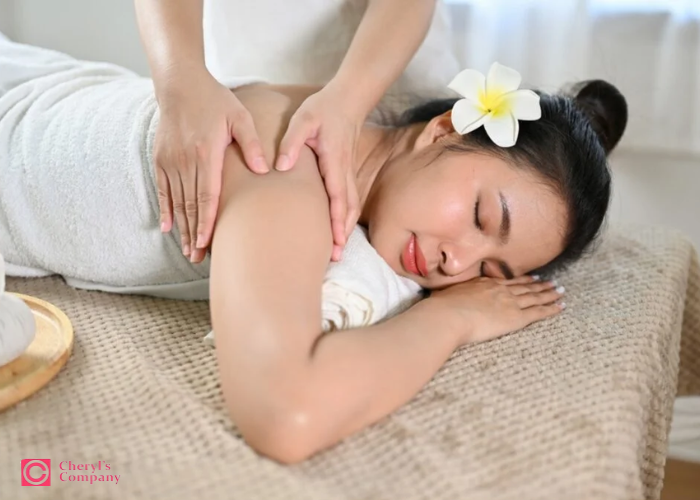
Some people even seem to prefer the luxury of a home massage. They forgo travel and chill in their own space. But not all home massages are the same. One of the often asked questions is whether pressure point therapy should be a part of a home massage. This guide answers that question. It describes what pressure point therapy is, what home services entail, what to expect and how to select a safe and competent provider.
What is Pressure Point Therapy?
Pressure point therapy employs focused touch to release tension. Therapists apply pressure to specific points on the body. They connect to muscle stiffness or pain, or meridians. Acupressure, shiatsu, and trigger point therapy are example of popular *approaches to working the pressure points. The pressure is used slightly but fundamentally differently in each kind of explosion. For instance, trigger point therapy is used to release tight knots in a muscle. Meanwhile, shiatsu is based on Japanese tradition and applies steady pressure along meridians.
What Is Pressure Point Therapy And How Is It Different From Other Massages
They focus on small targeted areas with pressure point therapy. On the other hand, a Swedish massage covers a lot of ground with long, flowing strokes. Deep tissue massage applies intense pressure, but to broader muscle groups. And so it comes that the pressure point work can feel sharp or intense for a few short seconds. And it is often very effective, bringing rapid relief and improved range of motion. Because it hits specific spots, treatment can be longer for the same area than with a general massage.
Is It Feasible To Do Pressure Point Therapy Through Home Massage Services?
Sometimes, many independent practitioners and mobile massage therapists use point pressure techniques as a part of their practice. But inclusion varies by company and by the therapist’s training. Some standard at-home massage packages are limited to relaxation or Swedish styles.
Others provide add-on treatments such as deep tissue, sports massage or trigger point therapy with pressure point work. So you’ll want to check the service menu, or if you’re not sure, ask when you book.
Factors That Determine Availability
There are a few variables to consider when thinking about whether a home massage will involve pressure point therapy:
- Therapist training: And not all bodyworkers do pressure point touch either. Those who do sports massage, myofascial release, or acupuncture-related therapies, tend to offer it.
- Service menu: Companies offer the type of sessions they do over the phone. A few mention acupressure, shiatsu or trigger point therapy.
- Local regulations: In some areas, specific methods are highly controlled. For instance, some pressure work borders on medical necessity and may necessitate more advanced certification.
- Client health: Clients are prescreened by therapists for conditions that make pressure work unsafe. A good place to start would be to avoid pressure point therapy if you have specific health concerns.
- Time and cost: Pressure point work can be more targeted and take up to a little longer time. Some charge extra to do it or include it as an add-on called pressure point therapy.
How To Ask For At-Home Pressure Point Therapy?
If you’d like to practice pressure point work at home, consider the following:
- Read the service list. Search for shiatsu, acupressure, trigger point or sports massage.
- Ask about training. When you book, inquire about the therapist’s specific training in pressure technique.
- Describe your goals. You can simply let the provider know if you’re looking for pain relief, improvement in mobility, or relaxation.
- Mention health concerns. Tell us about any medical problems, medications or recent operations.
- Confirm how long the session will be and how much it will cost. It may take a higher investment in time and money to do the pressure work.
- Ask for the correct gender if it is important. For the intimate bits many clients prefer a therapist of the same gender.
These steps ensure you get the right service and avoid surprises when the day of the visit arrives.
What Happens In A Home Triggered-Point Session?
A clear flow is followed by a home pressure point session. First, the therapist comes with fresh linens and portable gear. They inquire about your health, and they verify what you are trying to achieve. They might take turns gently stroking or heating your muscles.
Furthermore, they then apply concentrated pressure to certain points. It will exert some pressure for a short period but there should be no sharp pain. Fingers, thumbs, elbows and tools are all employed by the therapist. Lastly, they walk you through light stretching and provide aftercare suggestions.
Safety and Contraindications
Some people find that massage to pressure points is helpful. But in some conditions, it may not be safe, or you should be cautious. For instance, if you have:
- Recent surgery or open wounds.
- Blood clots or DVT.
- Active infections or skin issues.
- Severe osteoporosis or fragile bones.
- Some heart conditions or having uncontrolled high blood pressure.
- Pregnancy without the help of prenatal therapy.
Always let your therapist know about medications such as blood thinners. Avoid a therapist who pushes you not to disclose medical information.
Household Hygiene and Professional Levels
They are also very conscious of cleanliness: Good mobile therapists are absolute sticklers for hygiene. They carry a clean table or makeshift cushion. They lay fresh linens and sanitize any tools. And they wash hands before and after every client. When you interview them, inquire about their sanitation routine and ask if they have liability insurance or professional licenses. A good therapist will tell you this up front.
Pricing and Packages
Pressure point therapy may be a bit more expensive than a basic massage at a spa or clinic. Some such specialists now offer it as part of a sports or therapeutic package. Others list it as an add-on. You may also be charged certain travel fees for in-home visits. Compare providers, read reviews and ask for a clear price before you book. Also, if you feel like you need multiple sessions, look at package deals.
Benefits You Can Expect
What you might feel when you experience pressure point techniques during a session with a trained therapist:
- Reduced muscle knots and tightness.
- Improved joint mobility and flexibility.
- Less pain in targeted areas.
- Faster recovery after workouts.
- Improved sleep and reduced stress for some.
But the results differ by individual and by the severity of the issue. A short course of treatments is as beneficial for many clients as 1 session.
Warning Signs and How to Avoid Them?
Avoid therapists who:
- Refuse to do any health history.
- Promise unrealistic cures.
- Employ over-the-top or painful pressure without checking in.
- You are not vetted and have no references.
Opt for providers with positive reviews, transparent policies and strong communications.
Final Tips
If you choose to book pressure point therapy in your home, make sure you have room to create a quiet and peaceful environment and wear loose clothes. Keep water handy so you can rehydrate when it’s over. Also, schedule some light movement or rest after to give your body a change to react.
When you trust us with your home massage we will arrive fully equipped to perform our massage, which includes pressure point therapy and more! Cheryls dispatches trained therapists who describe techniques beforehand and who adjust pressure to your liking. Moreover, they practice hygienic and safety measures. Thus, for safe, effective, and convenient home pressure point work, Cheryl's is your best bet.