

Does Waxing Help in Removing Tan Along with Dead Skin?
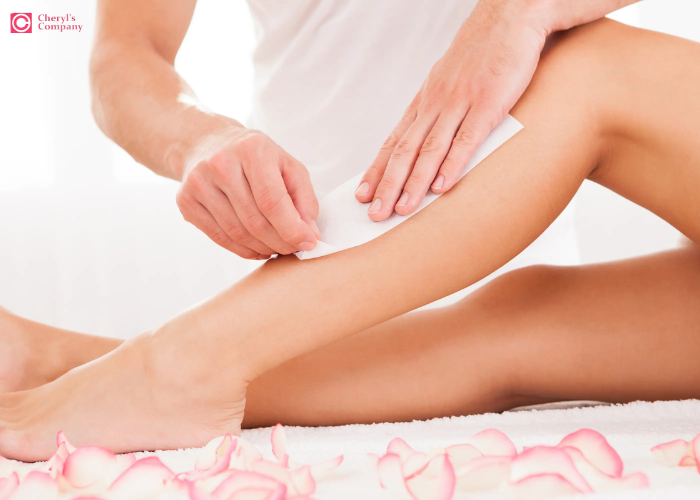
Waxing is commonly associated with hair removal, but there is more to it than that. Waxing does lift dead skin cells, too. It can give your skin a cleaner appearance. So, it may make your skin look fresher, because of that. But does waxing get rid of a tan? In brief, you can wax (or epilate or whatever) to reduce the appearance of a very superficial small tan, due to the shed dead skin at the surface.
It removes all pigment except the deep / older pigment. This is an article that is going to walk you through what waxing is, how it works, what it can do and what it can’t do for a tan and what to do before and after waxing in order to help you get the most out of waxing for a tan.
How Waxing Works?
Waxing pulls hair from the root. For starters, the esthetician warms the wax. Then they apply the wax to your skin. They then press and pull off a strip. The strip seems to remove hair and the dead layer of skin on top. Plus, waxing can remove some oil, dirt, and surface pigment. So the skin will appear cleaner and a bit more radiant post-treatment.
Waxing And Dead Skin: The Real Effect
Waxing gives mild exfoliation. When the wax is pulled off, it leaves cells on the skin surface. Dead cells accumulate, and skin looks dull over time. Waxing strips this layer away. Now you’re left with beautifully smooth and soft skin. There could be a glow straight after the treatment. In that way, waxing helps the skin stay cleaner of dead skin more than shaving does. Shaving takes off the hair but leaves all those dead cells. So get a twofer by waxing it removes hair as well as exfoliates the skin.
Does waxing remove tan?
Sometimes, but not entirely. A tan is the result of your skin producing more pigment (melanin) in response to UV radiation. Should the tan exist in the skin’s very top dead cell layer, exfoliating away those cells can lower the tan’s visibility. So a light or recent tan can fade after waxing. But if the tan is due to pigment that goes even more deep in the living layers of the skin, waxing won't be able to get it away. That is, the surface tanning can get removed with the help of wax but not the deep pigmentation or aged tan.
What Is That About A Tan That Comes Off When You Wax?
But a lighter, more superficial tan is the most effective response. For instance, a light sun kiss or the gentlest of glow tends to rest on the surface. Through waxing, the discoloured top cells can be removed and the skin can be left looking even. Meanwhile, repeated sun exposure, sunburn or tan under the skin is pigment sitting deeper. Those peaks of brown skin require more than a wax to burn out. So, don't expect much of a change for deep or old tans.
Varieties of wax and their effects on skin tone
Waxing techniques utilize various temperatures and approaches. When melted, hot wax doesn’t always adhere to skin, but it does tend to stick to hair. It can be kinder on super-sensitive areas. Strip waxadhesive waxes pull off a little more surface skin. Sugaring, which involves a sugar paste, can extract the dead cells in a gentler way. In both cases, you have exfoliation. But the difference in the amount of tan you remove won’t be that extreme from one method to another. The difference mainly is one of gentle (or irritating) the method is. Select a mode that fits your skin sensitivity.
Safety And Precautions While Attempting To Wax Off Tan
Waxing can irritate the skin. Wax a recent sunburn and you could increase redness and peeling. Waxing can also lead to small abrasions or irritations. This inflammation can lead to transient darkening of the treated skin (post-inflammatory hyperpigmentation). So, if your skin is raw, burnt or very sensitive, you should never wax. Plus your skin may be thin, if you use potent exfoliating creams or retinoids. In such cases, waxing can be harmful. And be sure to inform your esthetician if you are using any topicals or have had any recent skin procedures.
Aftercare to protect skin and help tan fade
There’s a lot of variation with good aftercare. First, do not expose your skin to the sun for a minimum of 24-48 hours following a wax. Your skin is sensitive after you exfoliate. Two, follow up with a light balancing moisturizer for comfort. Third, apply sunscreen every day to avoid any additional tanning. Also, do not do vigorous exfoliation on the location right after waxing. Wait three days before using scrubs or strong acids. Use gentle chemical exfoliants to help remove a few layers of deeper tan, gradually.
Additional treatments to help remove your tan
Waxing is not simply enough, when the tan is deep or long-lasting. So pair up waxing with some other mild treatments. Chemical exfoliants such as gentle glycolic or lactic acids can be useful as these help to reduce pigment over time. Professional peels and microdermabrasion can also help the process. Topical products with vitamin C, niacinamide or licorice extract may also help brighten skin. As always, see a skin professional before you add anything too strong. They can prescribe a safe plan (with waxing and maintenance) for a follow-up.
Complementary treatments for better tan removal
Hair growth and skin reaction determine how often waxing is necessary. Most people get waxed every 4-6 weeks. This regimen sloughs off dead surface cells on a timely basis. The upshot: Skin looks fresher more often. But don’t be waxing all the time, either. Your skin deserves a break to heal between sessions. Excessive waxing leads to skin irritation and uneven pigmentation. As a general rule, do as your esthetician says and give your skin a few weeks of rest between treatments.
When To Avoid Waxing?
Never wax sunburned or peeling skin. Don’t wax if you’ve just had a chemical peel, a laser treatment, or have been using a potent retinoid. You should also not wax your face when acne is present and active or on open wounds. If you have skin types or conditions (eczema, psoriasis, rosacea, etc.), consult a professional first. In such instances, waxing can aggravate inflammation, encouraging the possibility of hyper-pigmentation.
Tips To Get The Best Results
First, keep skin moisturized and healthy in the weeks leading up to a wax. 2. Second: Don’t use any strong acids or retinoids for a few days (three to five days is the advice I received) leading up to your appointment. Lastly, select a seasoned skincare expert familiar with delicate or bronzed complexions. Fourth, follow the aftercare steps closely. Finally, be patient. Change at the surface layer is quick, but deeper pigment takes time and more than one approach.
Final Verdict
Waxing provides hair removal and exfoliation. That's why it can also enhance the appearance of a light surface tan. But it won’t lift deep or sustained pigmentation. On top of that, misguided waxing can irritate the skin and worsen pigment. So, treat your hair routine as a broader skin plan in which waxing fits into. Pair it with sunscreen and more mild pigment-reducing products for gradual progress.
If you're seeking a professional care line that will provide both hair removal and skin care, opt for Cheryls. Your skin is evaluated by their trained therapists first. They pick the right method for waxing and provide clear pre- and post-care instructions. And they dispense kind, brightening counsel when you want some. When it comes to safe waxing and beautiful skin, Cheryl's is the best.